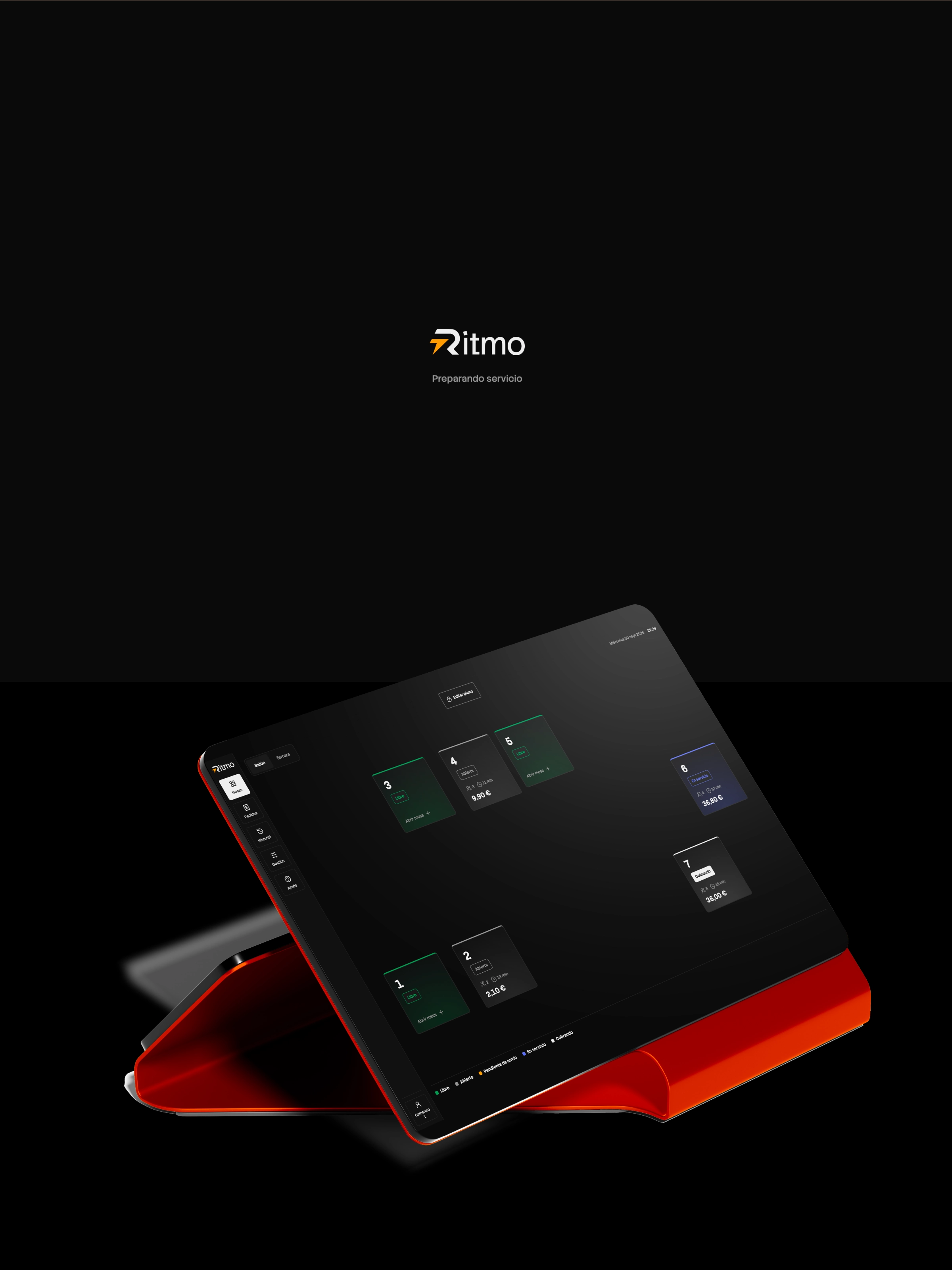

Ritmo
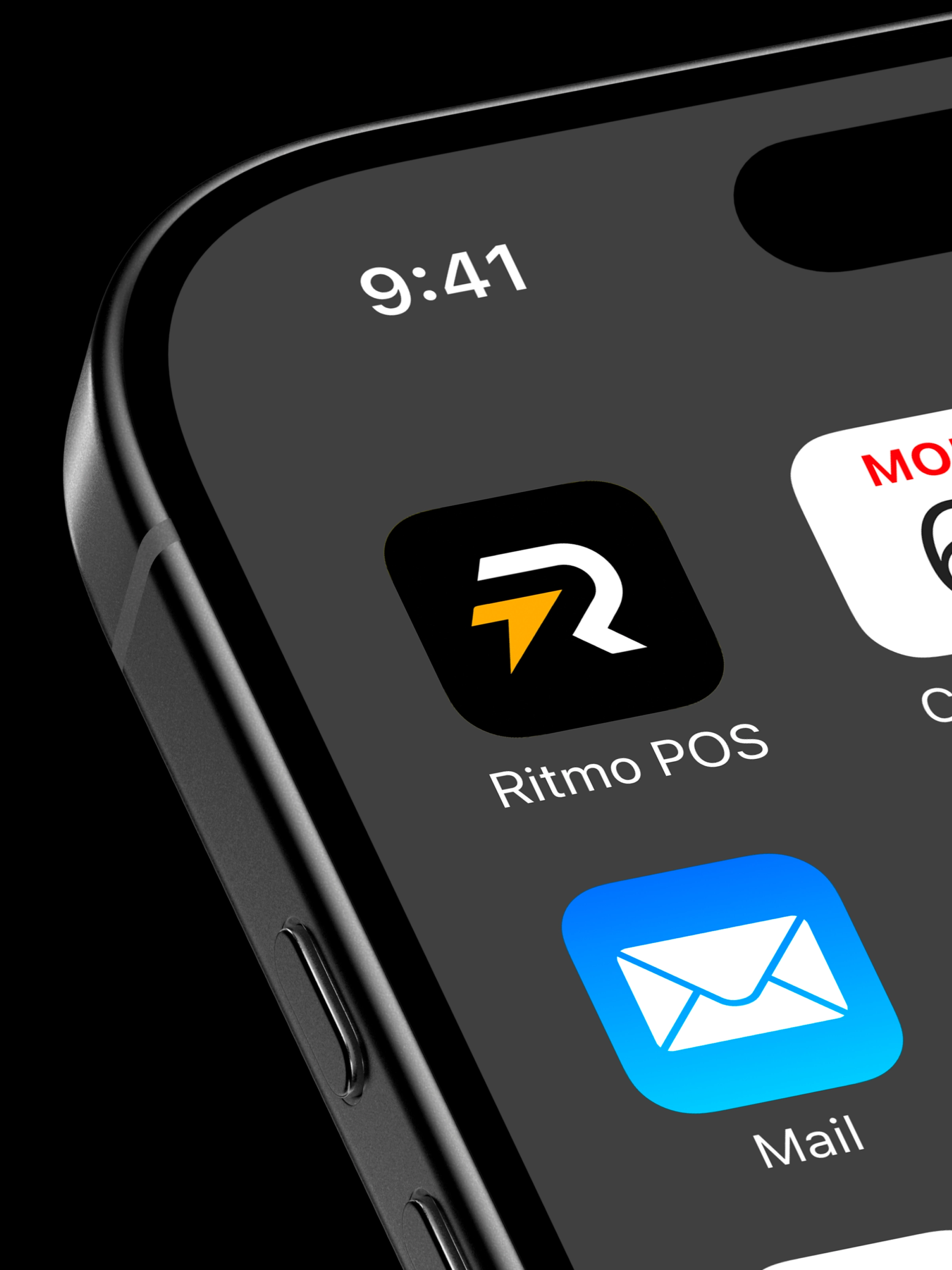
Designing and building a POS for the worst 10 minutes in a shift. Ritmo is a point-of-sale system for small bars and restaurants. Nothing takes effect the moment you tap. Every action stays visible, stoppable and changeable.
The brief
Ritmo is the final project of my Master’s in UX/UI & AI-Native Product Design at Barreira AD.
Small bars and restaurants run on point-of-sale systems built for calm moments, but their business happens at 22:40.
A guest changes their mind seconds after an order reaches the kitchen. A table wants to pay separately. A mistake needs fixing in front of the customer. On most systems, each of these needs a manager’s PIN and pulls someone else away from service. After three years serving tables and working the bar, I set out to design a POS for the worst ten minutes of a shift.
The goal: staff can handle any surprise during service without losing the rhythm or depending on anyone else.
Approach
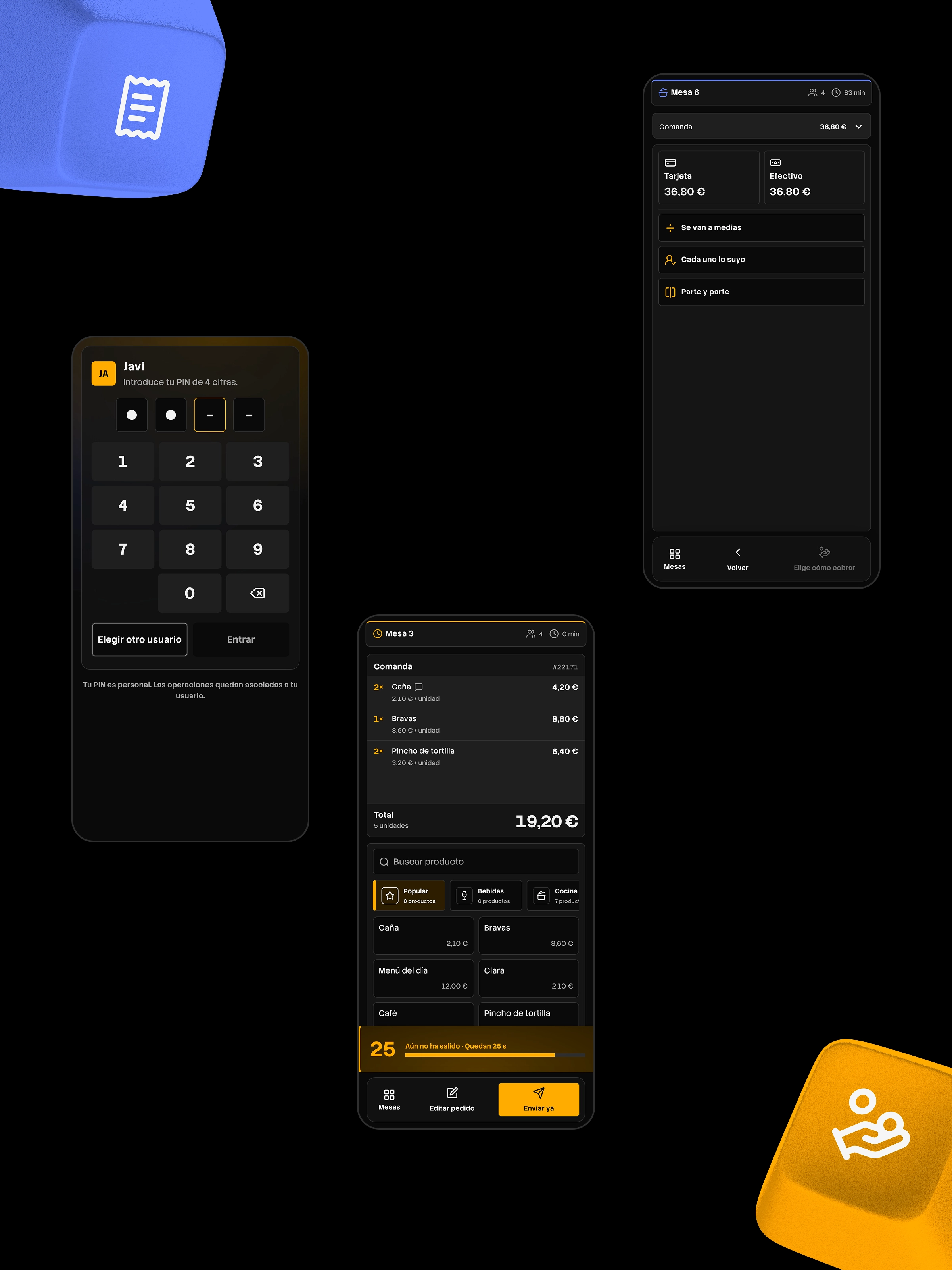
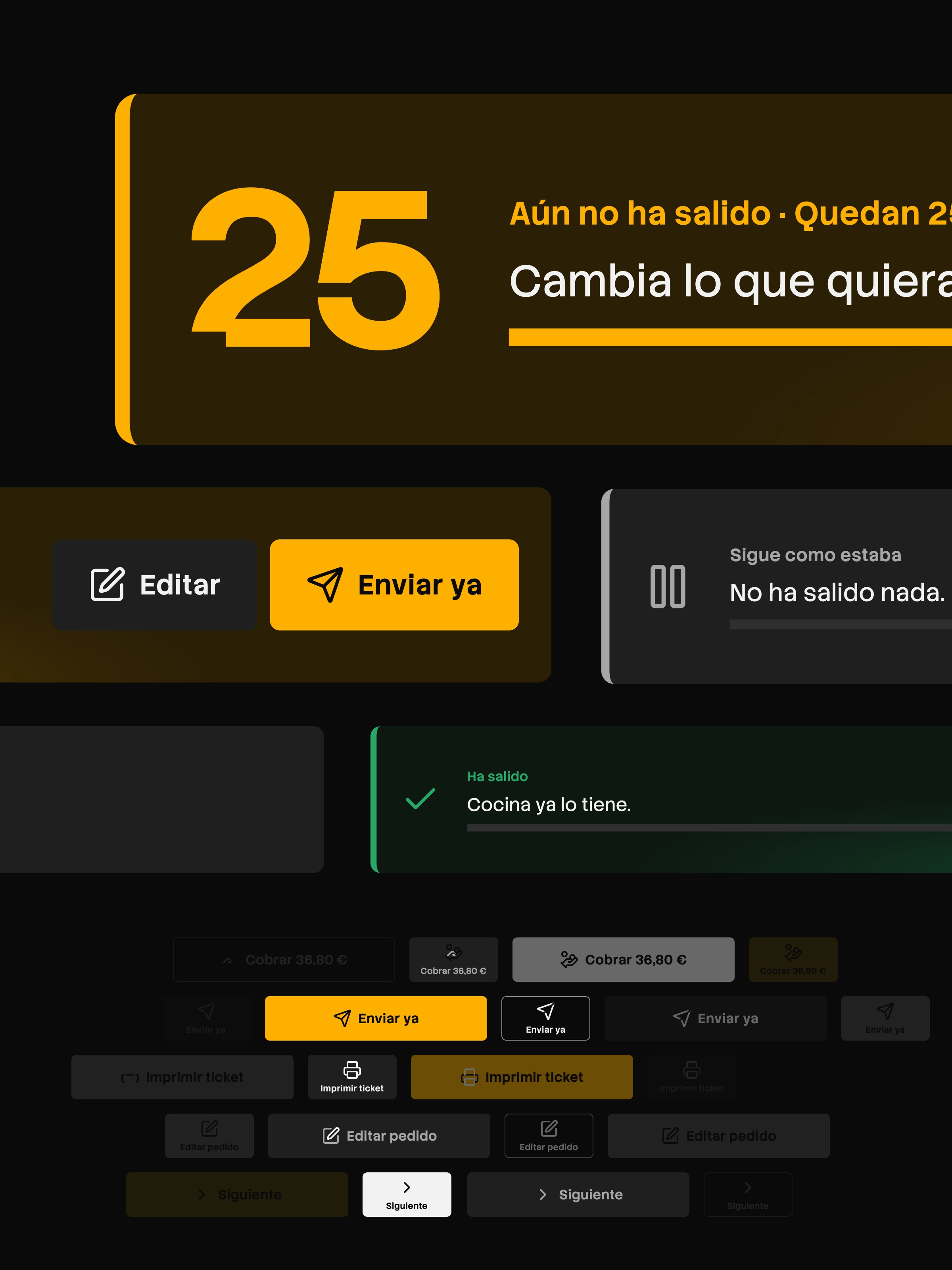
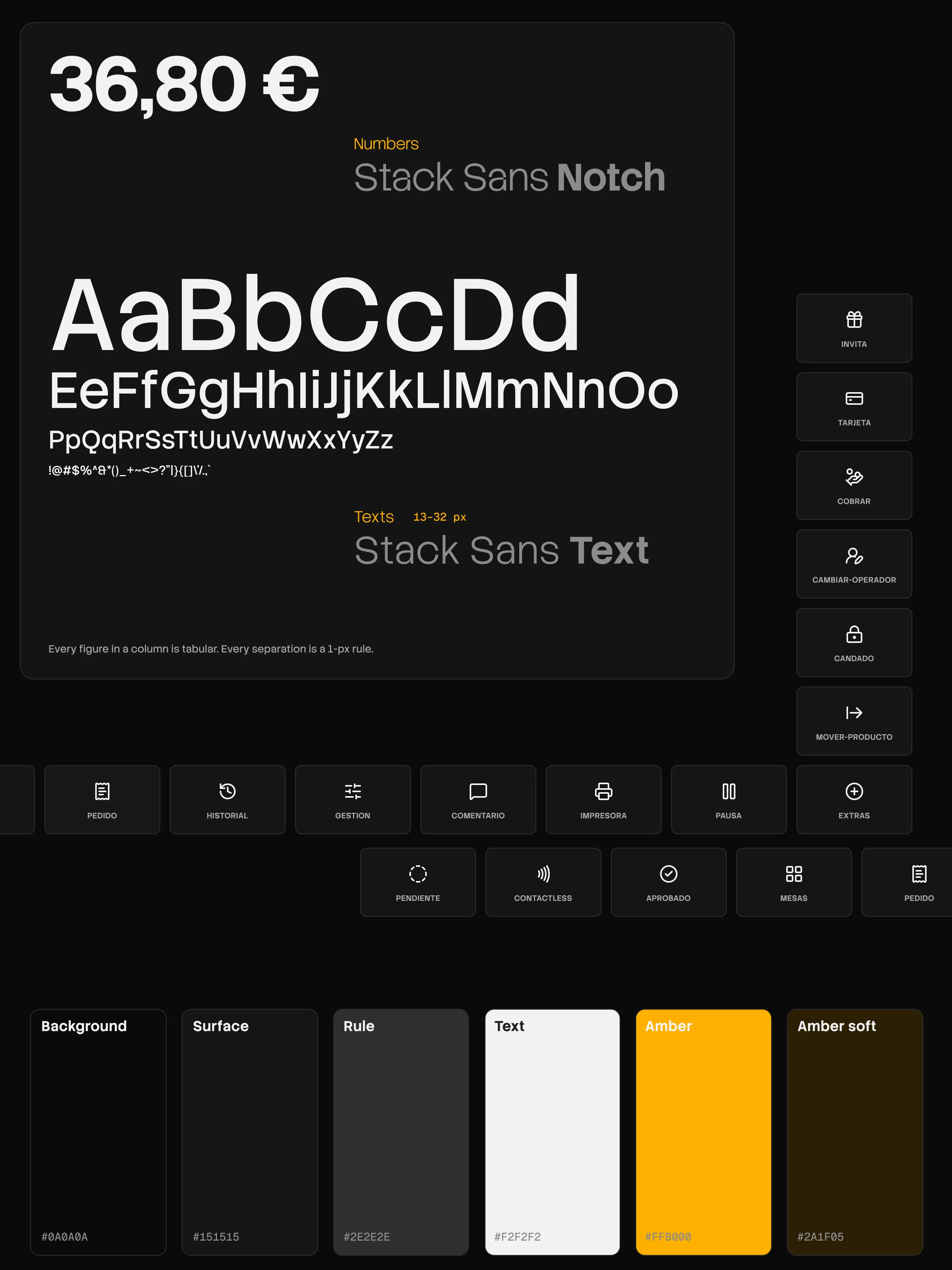
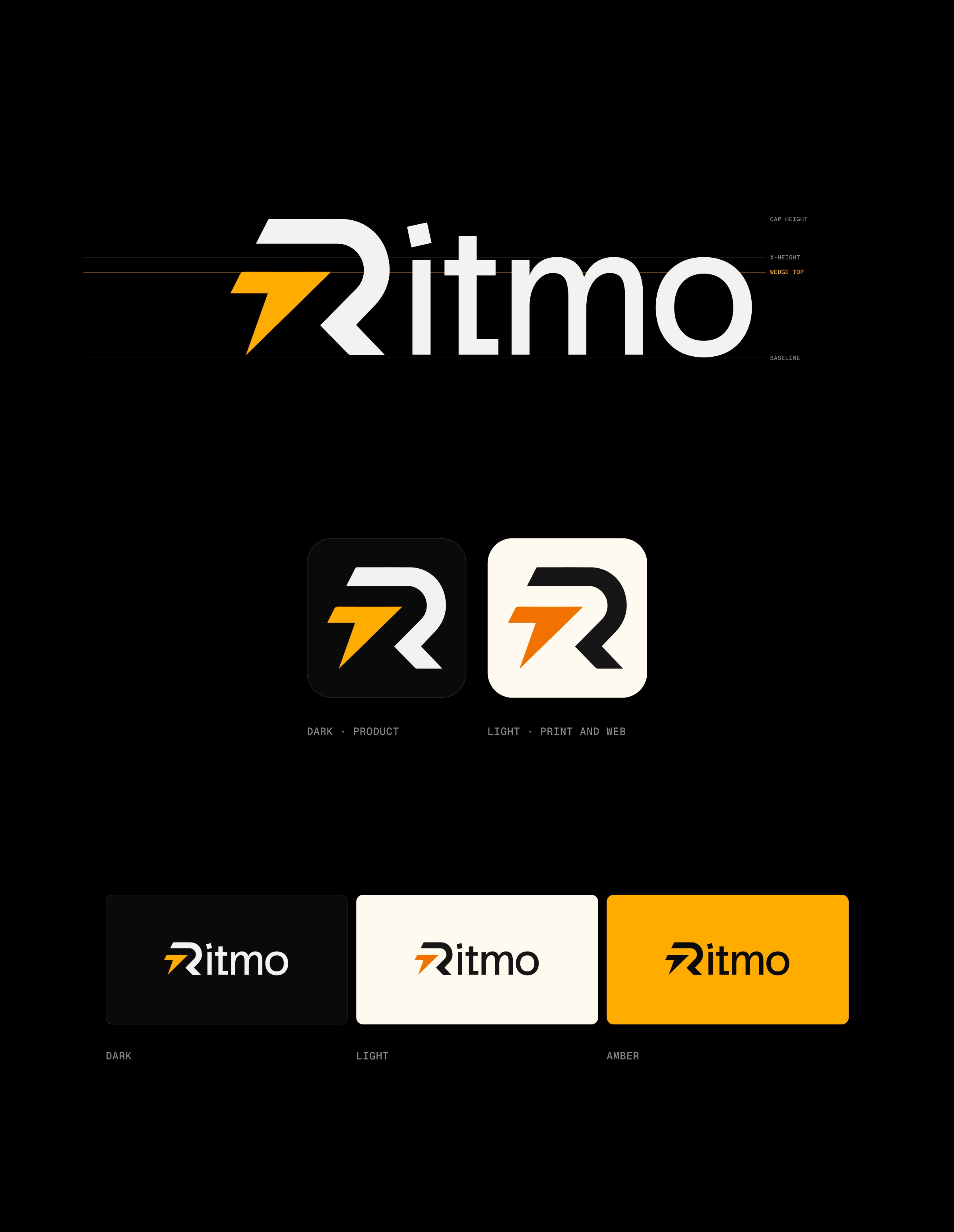
I ran a Foundation Sprint and a Design Sprint to define the customer, the problem and the core bet: nothing happens the instant you tap. The original plan was a usability layer on top of existing systems. That pivoted to a POS of its own, because a layer couldn’t reach the data it needed to fix anything. I then built the brand: the name Ritmo, a single amber colour that means only “pending, not yet applied”, and Stack Sans as the typeface. Three interviews with real hospitality staff confirmed the problem and changed the product. The safety window dropped from 60 to 30 seconds, and item-by-item and mixed cash-and-card payments were added. The final interface rests on six decisions:
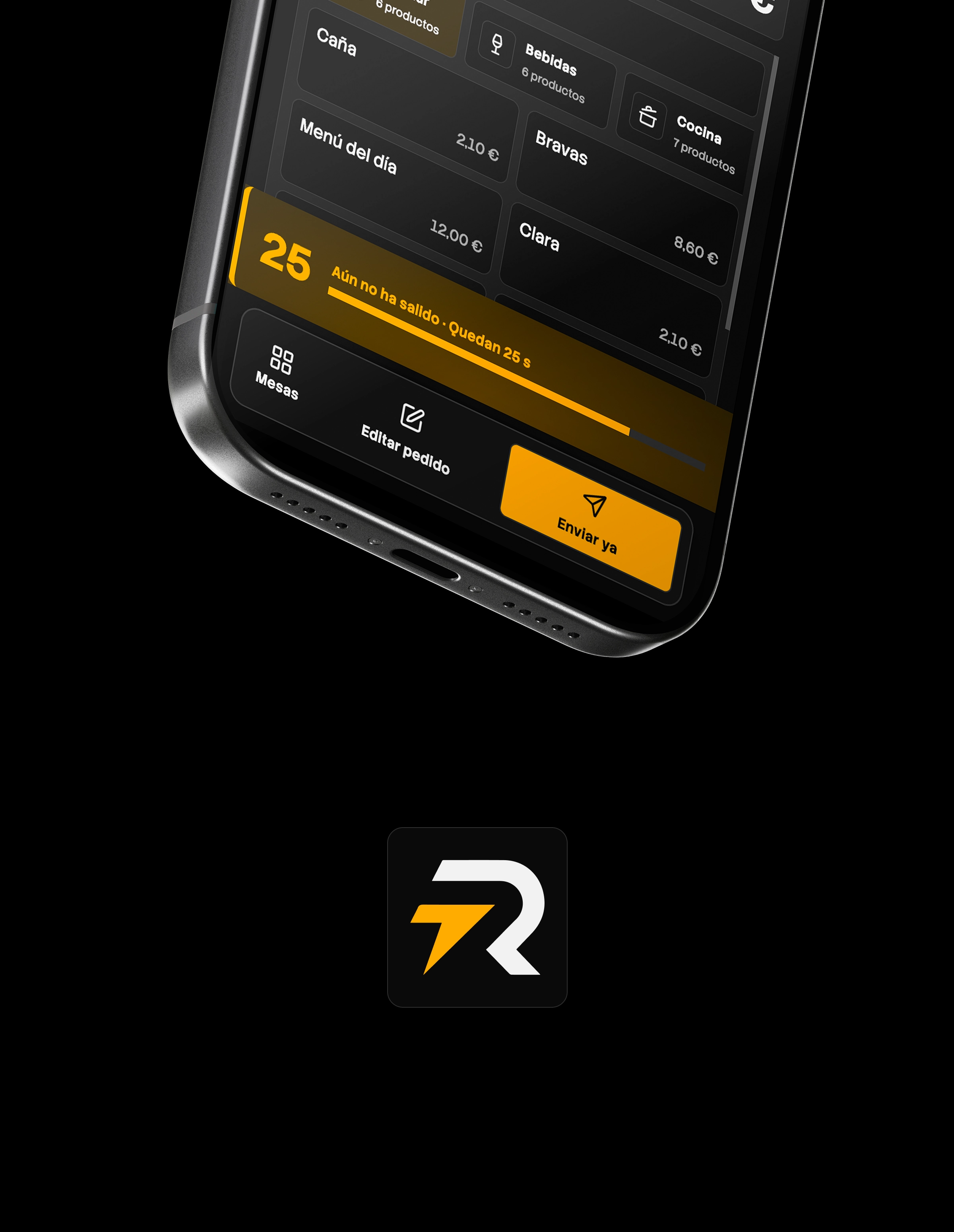
- a 30-second safety window before any order reaches the kitchen;
- friction that grows only as an action’s effect spreads;
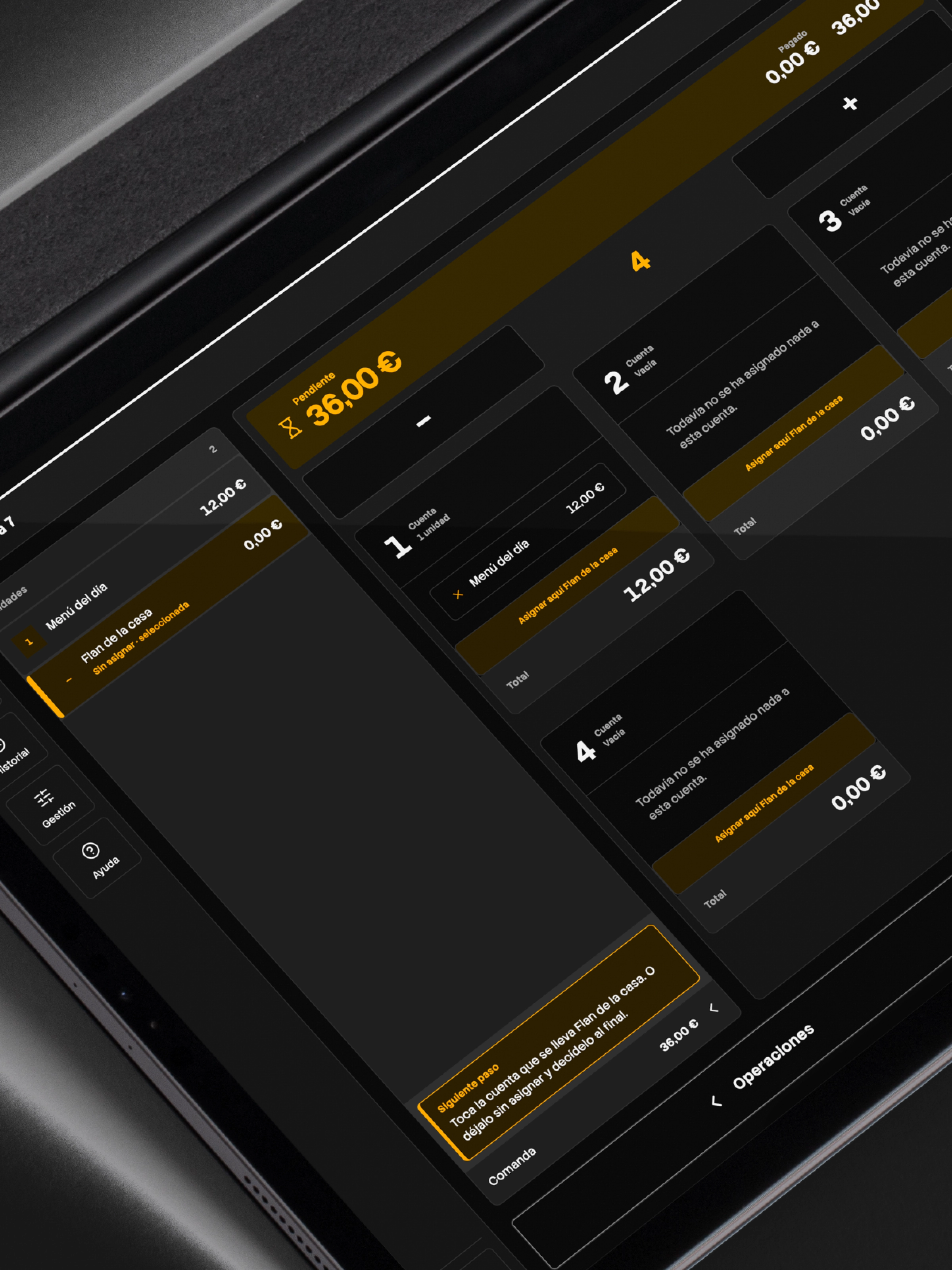
- one four-step grammar for every correction;
- an undo that never deletes;
- a Help key that understands bar language.
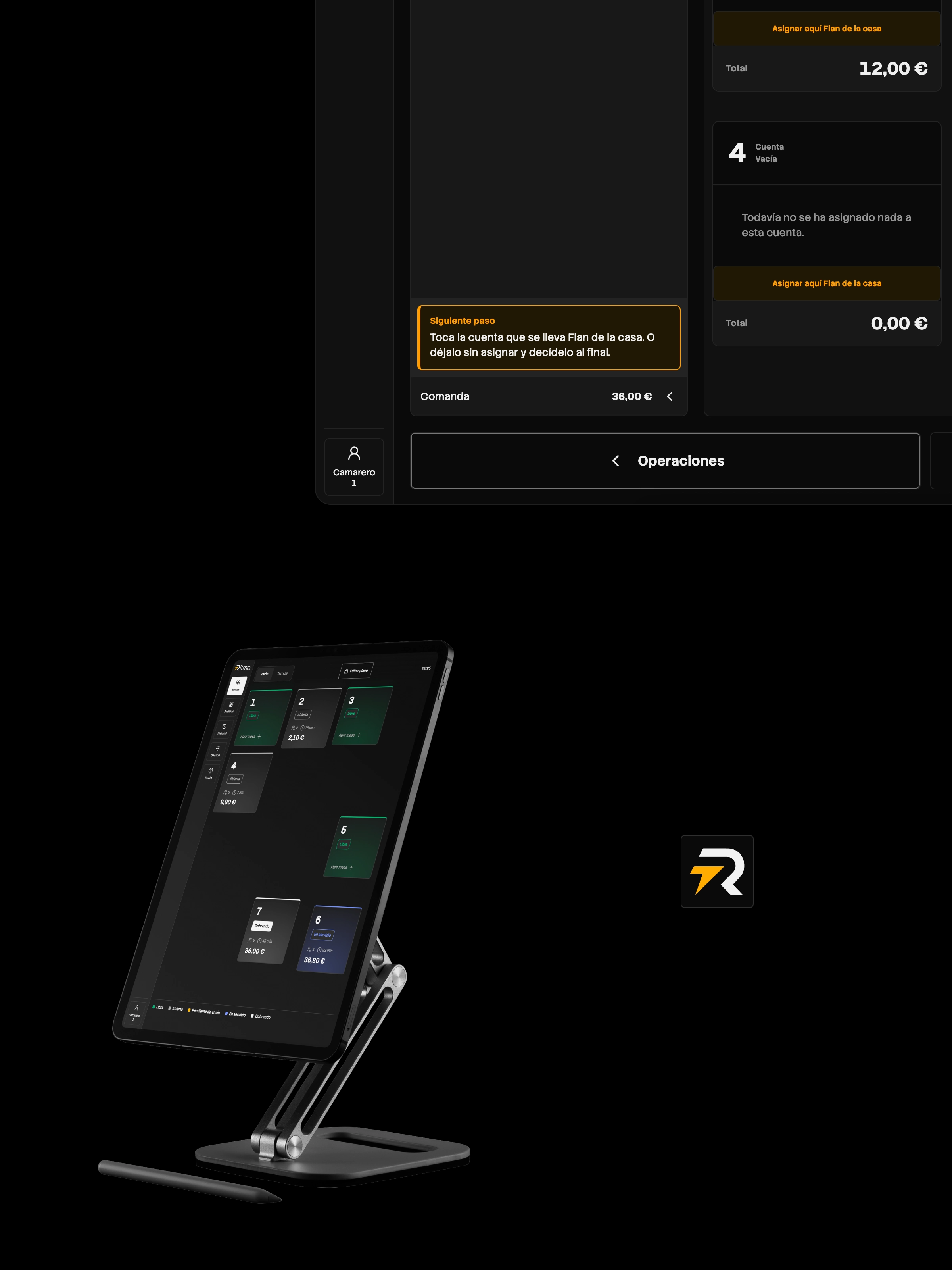
- three ways to split the bill coded in the solution.
Outcome
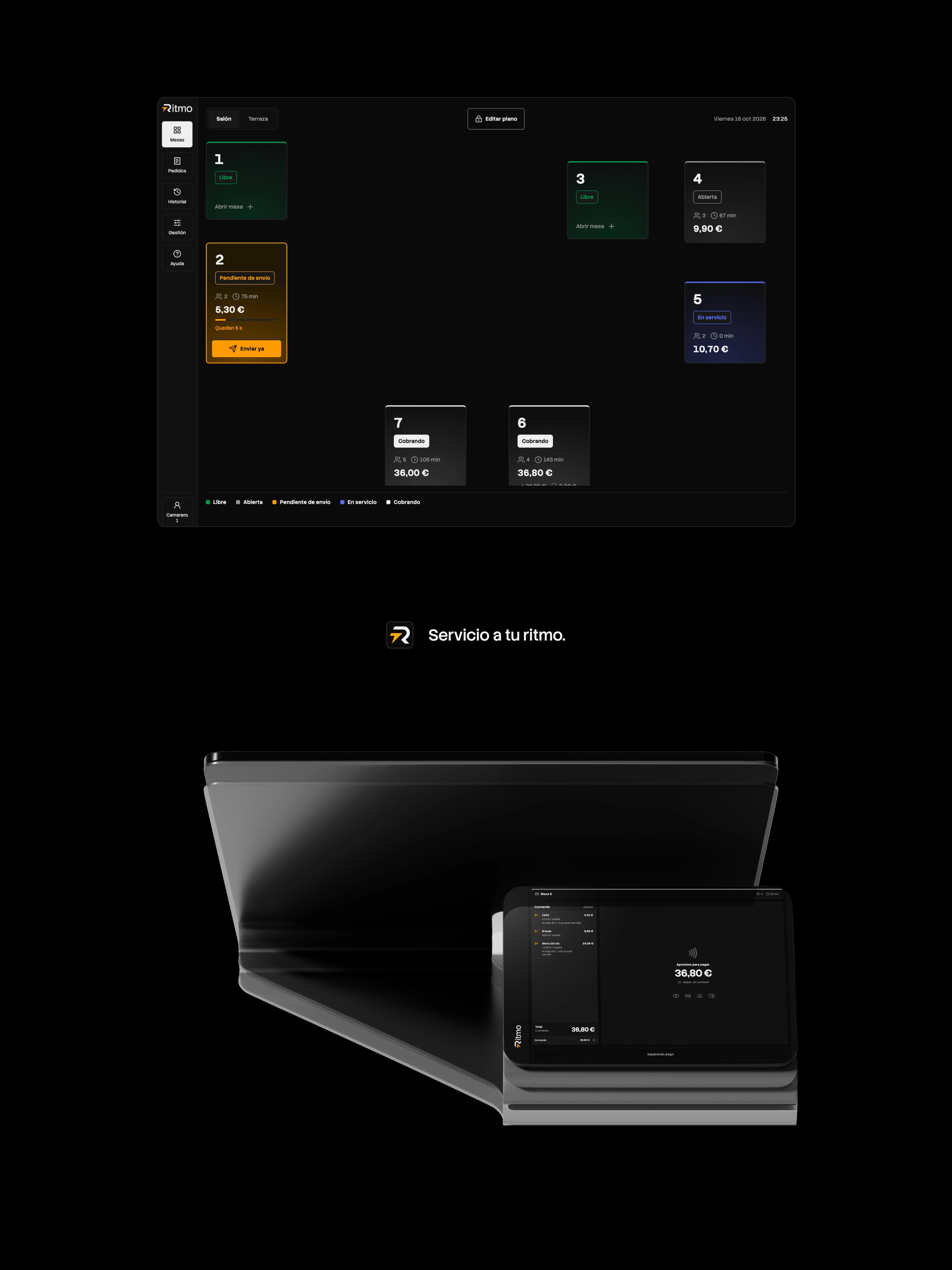
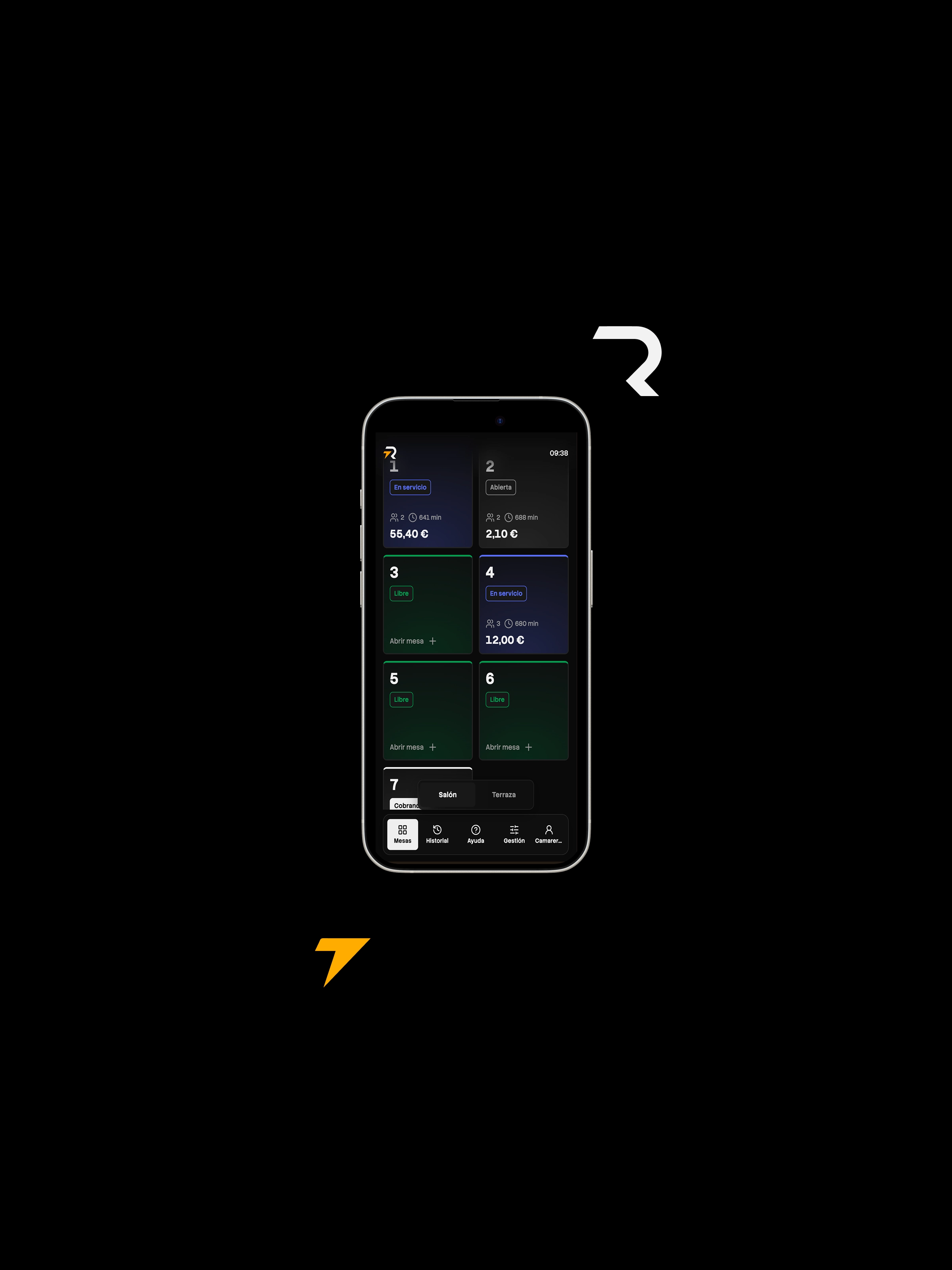
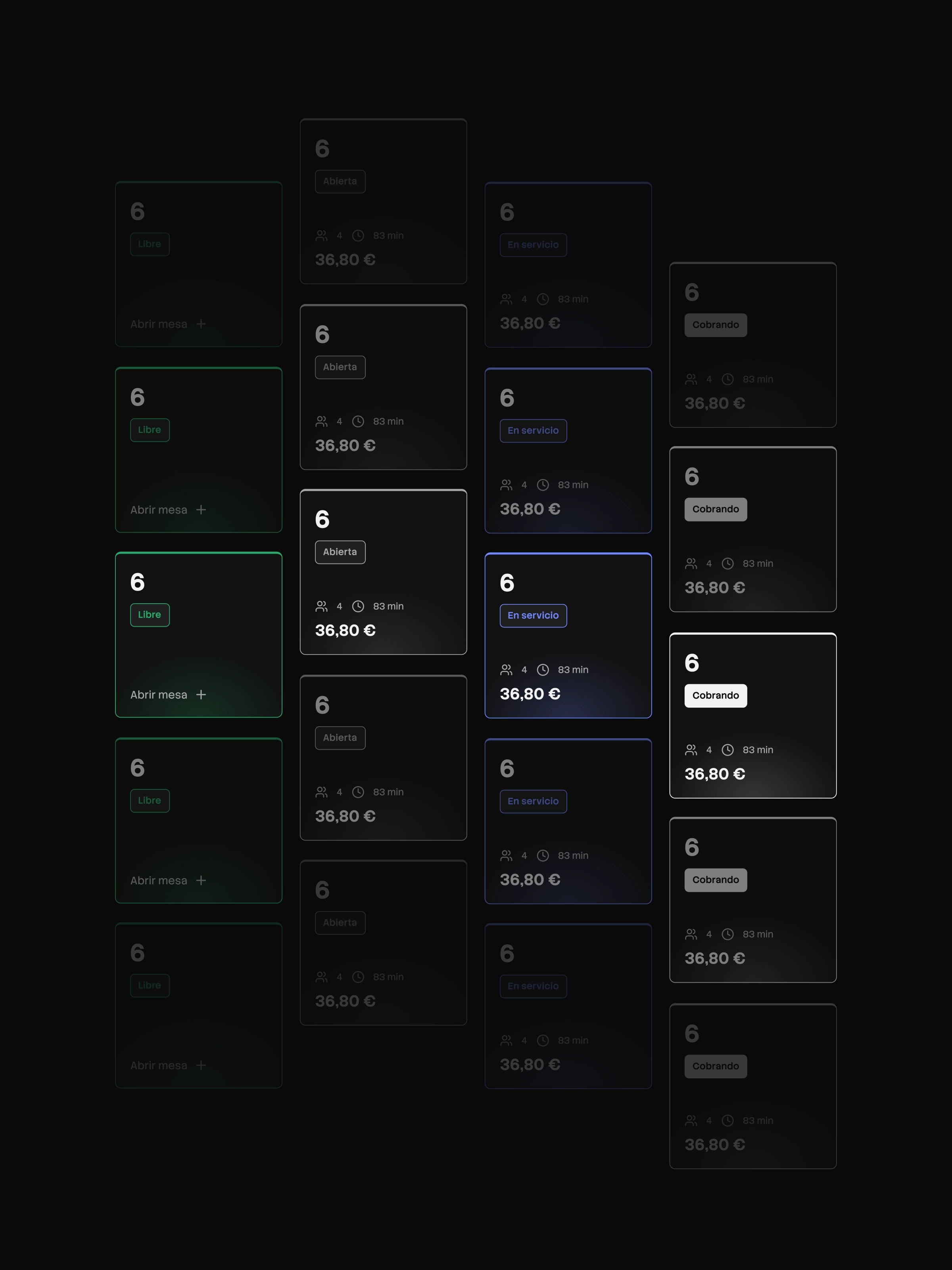
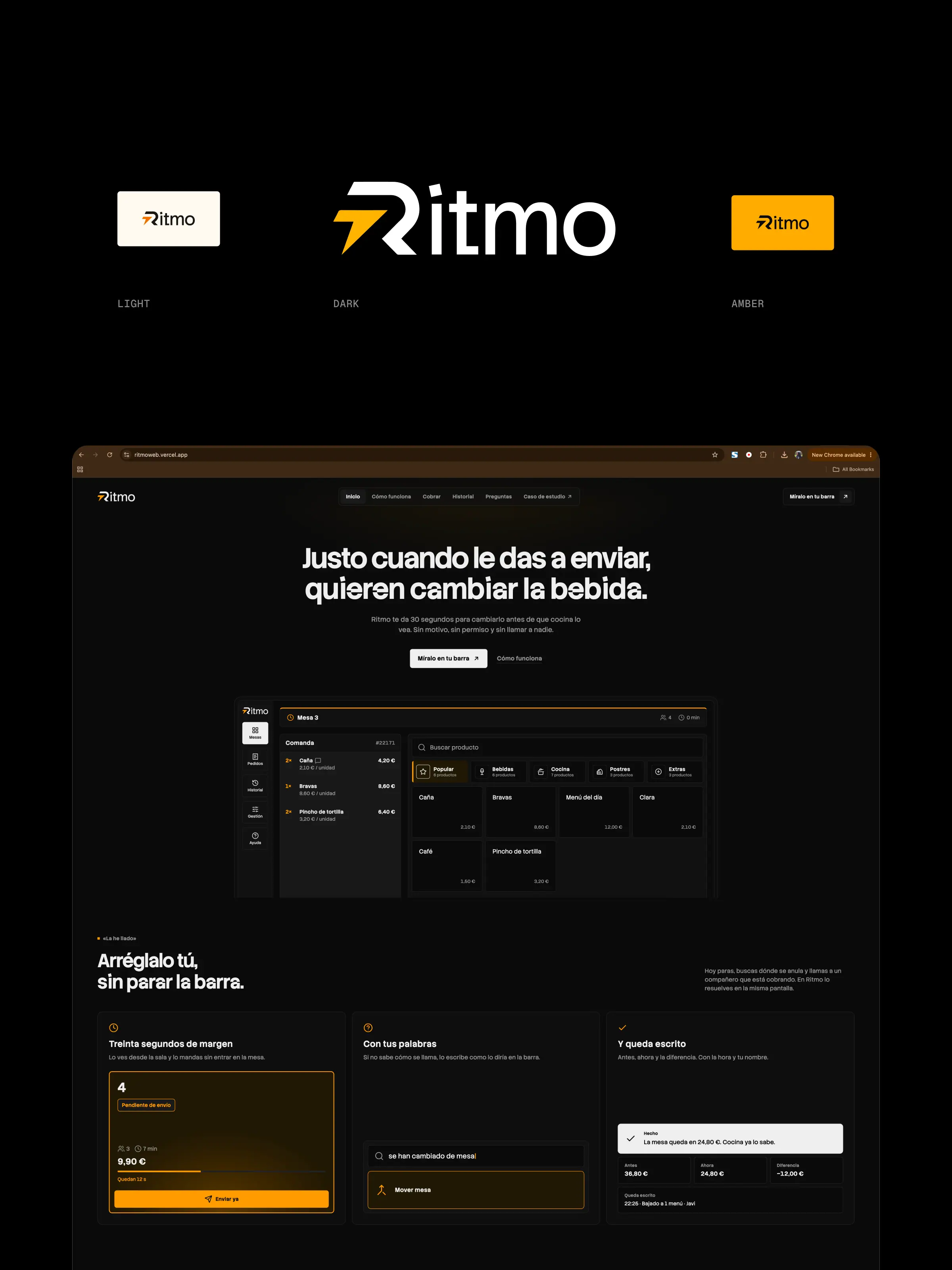
Ritmo is a complete, coded POS for tablet and mobile, built in Next.js and live at ritmopos.vercel.app. It includes an editable floor plan, order taking, six correction operations, three ways to split a bill, a searchable history and end-of-day cash closing. Research showed the problem and the differentiation were recognised by every person interviewed. It also showed something more valuable: none of them understood at first that Ritmo was a POS. The mechanism worked; the message didn’t. Still ahead are testing with an owner who pays for the system and measuring the two targets set in the sprint: zero requests for help and operations at least 40% faster. I designed and built it solo, with AI as a collaborator, not the decider.